
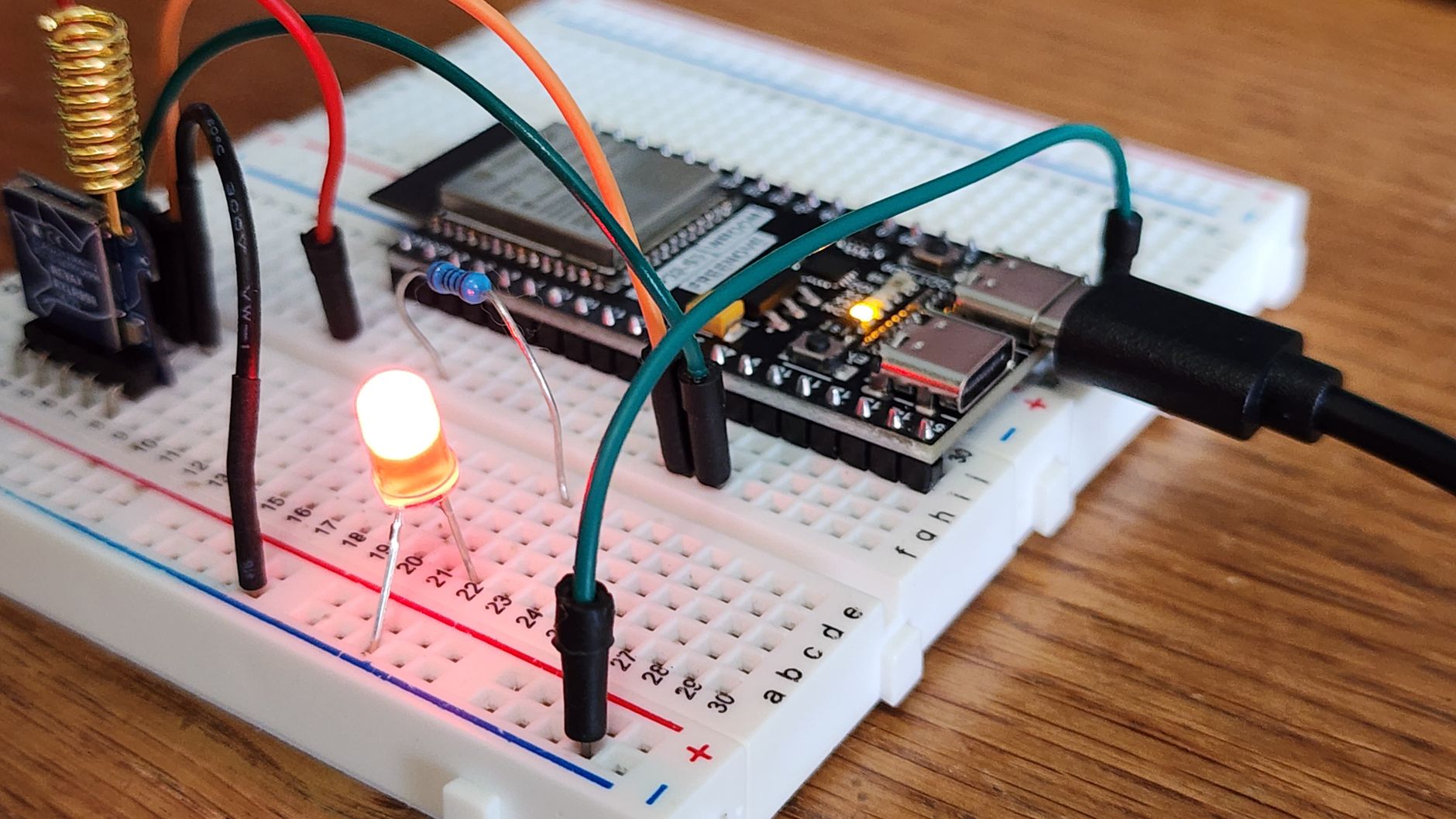
I have difficulty leaving perfectly functional things alone. If something is broken, I want to fix it. That makes sense. Broken things are supposed to be fixed. My problem starts when something is working perfectly well and I think, “I wonder if I could make this better.”
Those words have cost me a lot of time and probably a considerable amount of money.
The MiniWAN project started with a perfectly reasonable idea: having music and media available in the van. A normal solution existed. I’m sure I could have purchased something, plugged it in and been listening to music before lunch.
That is not what happened.
Instead, there’s now a Raspberry Pi 5 running a media server and network storage, along with WiFi and various other pieces I’ve added, removed, changed, broken, fixed and experimented with along the way. At some point this stopped being about listening to music in the van and became a question of what else I could make this little computer do.
The dangerous thing about getting something to work is that I immediately start thinking about what else it could do.
That’s really the problem with tinkering. There is no finish line. Getting something working doesn’t mean the project is finished. It means I’ve successfully reached the point where I can start screwing with it.
Photography proves this trait existed long before Raspberry Pis. I can get a perfectly good photograph and immediately start wondering what would happen if I moved the light, changed the angle, opened the aperture, moved over there or tried another lens. Then comes the phrase every photographer knows is complete bullshit.
“Just one more.”
There is never one more.
There are going to be twelve more.
Digital photography made this considerably worse because those extra twelve photographs don’t cost anything. When I shot film, every push of the shutter cost money. Film cost money. Developing cost money. Printing cost money. You had thirty six exposures and eventually the camera said, “That’s enough of that shit.”
Digital cameras have no such adult supervision.
Now I can take another photograph because the horse moved its ear slightly.
Ham radio may be one of the few hobbies where tinkering is practically part of the admission price. Antennas alone can become an entire project. I can buy something that works perfectly well, but there’s always another antenna configuration, another location, another adjustment, another cable or another way to get the signal out a little farther.
Sometimes the accomplishment isn’t even talking to somebody. Sometimes it’s standing there after hours of messing with something, looking at the radio and saying, “Holy shit. It worked.”
That satisfaction matters.
I’m not always tinkering because I need the finished product. Sometimes figuring it out is the product. Sure, I could buy something that already does what I want. Sometimes that even makes considerably more financial sense. But then I wouldn’t know how it works, I wouldn’t have learned anything, and I wouldn’t have experienced that wonderful moment when the thing I’ve been swearing at for three hours suddenly starts doing exactly what I told it to do.
Usually because I finally noticed the setting I had wrong the entire time.
I’ve tinkered with websites, photography setups, my van and computers. I’ve modified plenty of things around the house because they weren’t quite right. “Not quite right” is another dangerous phrase for me because it covers an enormous range between genuinely needing improvement and nobody else on Earth would ever notice this.
I notice it.
That’s enough.
I’ve even tinkered with cooking. Recipes become suggestions. A little more of this. What happens if I add that? That seems like an unnecessary amount of garlic, so obviously I’ll add a little more. Sometimes I improve dinner. Sometimes I discover why the person who wrote the recipe didn’t include whatever brilliant idea I just had.
Both provide useful information.
I think that’s what I’ve always liked about tinkering. There doesn’t necessarily need to be a practical reason for it. I like understanding things. I like taking something apart, whether literally or figuratively, and figuring out what makes it work. I like changing something and seeing what happens. Occasionally I make it better. Occasionally I have to figure out how to put it back the way it was before I started “improving” it.
That’s part of the process too.
Of course, tinkering requires knowing when to stop, which may be the portion of the hobby I have not yet mastered. There is always another adjustment, another setting, another idea, another feature or another piece that could theoretically make something slightly better.
I suppose eventually I’ll reach a point where I’m satisfied with something exactly the way it is. MiniWAN works. My cameras work. My radios work. The computers work. There is absolutely no reason to change anything.
That’s actually a pretty comforting thought.
Although now that I think about it, MiniWAN could probably use…
Shit.